


-

Add: HeBei ShengShi HongBang Cellulose Technology CO.,LTD.
-

Email
13180486930@163.com -

CONTACT US
+86 13180486930

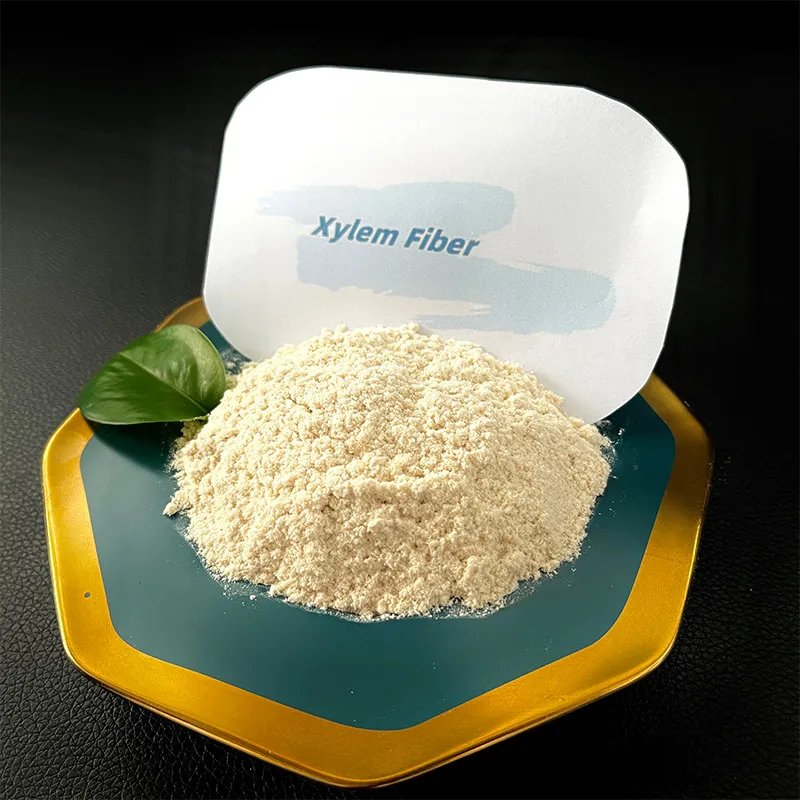
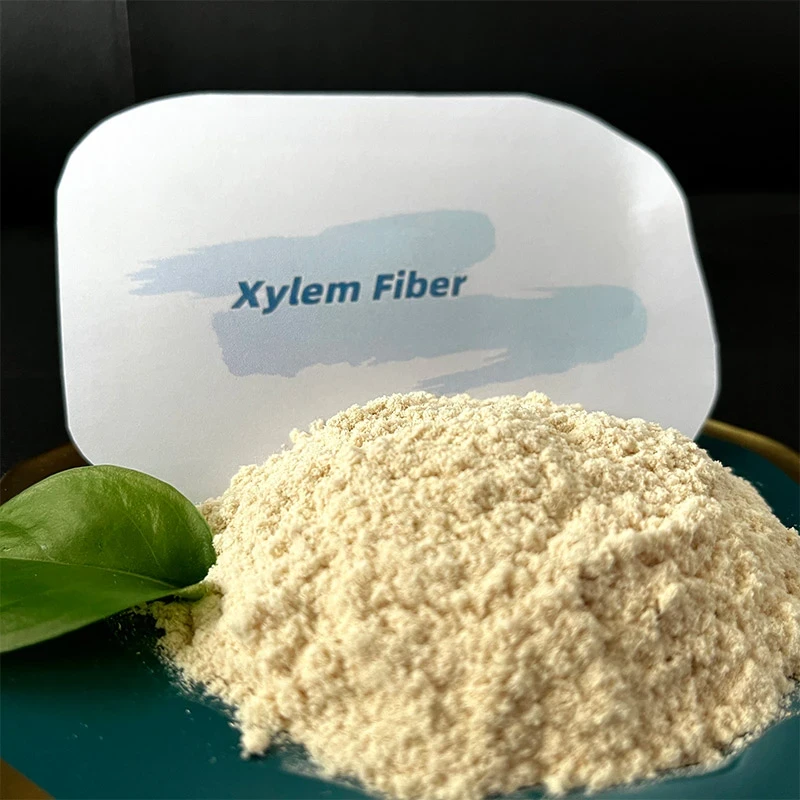

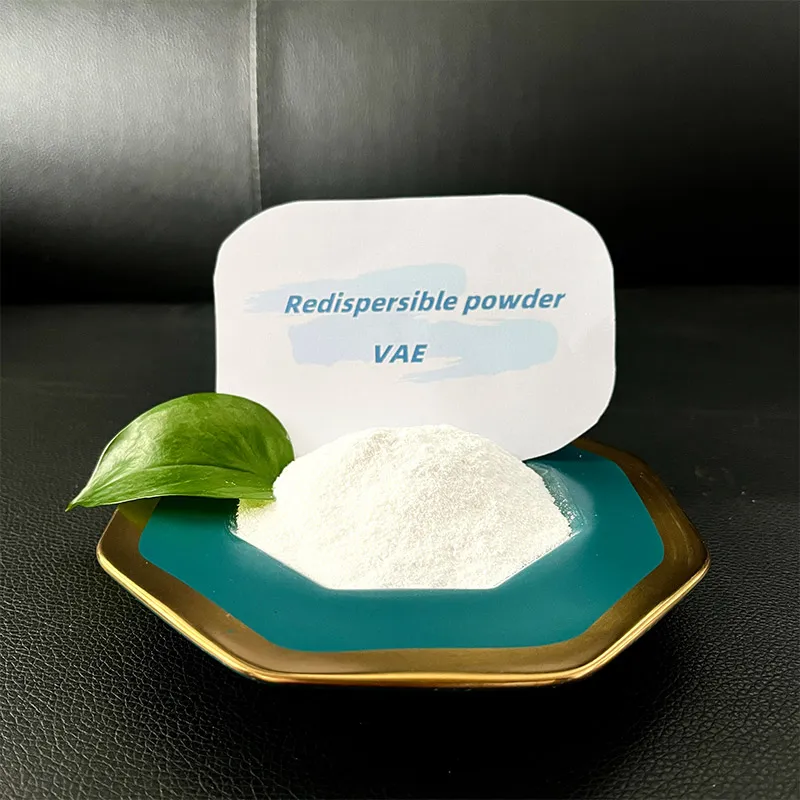


Hypromellose, auch bekannt als HPMC, ist ein vielseitiger Zusatzstoff, der häufig in der Pharma-, Lebensmittel- und Bauindustrie verwendet wird. Insbesondere HPMC mit einer Viskosität von 6 cps (Centipoise) hat spezifische Eigenschaften , die seine Verwendung in verschiedenen Produkten begünstigen. In der pharmazeutischen Industrie wird HPMC 6 cps oft als Vernetzungsmittel in Tabletten und Kapseln eingesetzt. Die spezielle Viskosität sorgt dafür, dass die Tabletten eine stabile Form beibehalten und die Freisetzung des Wirkstoffs kontrolliert erfolgt. Dies ist besonders wichtig, um eine konstante Bioverfügbarkeit der Medikamente zu gewährleisten, was letztendlich die therapeutische Wirksamkeit steigert. Als Expertin auf diesem Gebiet kann ich bestätigen, dass die sichere Anwendung von HPMC in Medikamenten sicherstellt, dass kein unerwünschter Einfluss auf den menschlichen Körper besteht, was auf umfangreiche Testverfahren zurückzuführen ist, die die Verträglichkeit und Unbedenklichkeit bestätigen. Im Lebensmittelsektor fungiert HPMC 6 cps als exzellenter Verdicker und Emulgator. Ideal für die Herstellung von fettarmen Saucen, Dressings und Desserts, trägt es zur Verbesserung der Textur und Stabilität bei, ohne den Geschmack zu beeinträchtigen. Basierend auf meiner Erfahrung in der Lebensmitteltechnologie kann HPMC verwendet werden, um die strukturelle Integrität von Lebensmitteln in verarbeiteten Produkten aufrechtzuerhalten. Es erhöht die Konsistenz von Produkten, was gleichzeitig die Verbrauchererfahrung fördert. Zudem ist es frei von tierischen Produkten und eignet sich somit hervorragend für vegetarische und vegane Lebensmittel. HPMC 6 cps Darüber hinaus ist HPMC 6 cps ein wertvoller Bestandteil in der Bauindustrie. Hier wird es als Bindemittel in Fliesenklebern und Mörteln verwendet. Die spezielle Viskosität von 6 cps sorgt dafür, dass die Mischung ausreichend fließfähig und dennoch stabil genug ist, um eine lange Bearbeitungszeit zu gewährleisten. Dies erleichtert den Bauarbeitern die Anwendung und verbessert die Haftung an verschiedenen Oberflächen. Durch die Anwendung von HPMC wird auch die Rissbildung in Trocknungsphasen reduziert, ein Bedürfnis, das jeder erfahrene Baufachmann bestätigen kann. Ein weiterer bedeutender Nutzen von HPMC 6 cps liegt in seiner Beständigkeit gegenüber verschiedenen pH-Bereichen und Temperaturen, was seine Verwendbarkeit in verschiedenen klimatischen Bedingungen unterstreicht. Diese Eigenschaft hebt seine Verlässlichkeit hervor und schafft Vertrauen in seine multiplen Anwendungen. Zusammenfassend lässt sich sagen, dass HPMC 6 cps aufgrund seiner Vielseitigkeit in verschiedenen Industriezweigen an Popularität gewonnen hat. Seine Fähigkeit, als Bindemittel, Verdicker und stabilisierender Stoff in unterschiedlichen Prozessen zu fungieren, macht ihn zu einer unverzichtbaren Ressource. Die Qualität und Reinheit von HPMC, die durch strenge Standards gesichert werden, verstärken sein Ansehen unter Experten und stellen seine Beständigkeit als zuverlässiger industrieller Zusatzstoff sicher. Die fortwährende Forschung in Bezug auf HPMC 6 cps könnte seine Anwendungen in zukunftsweisenden Technologien erweitern, was es zu einem spannenden Thema für Innovationsforscher macht. Vertrauen Sie auf die Expertise und Erfahrung mit HPMC, einem äußerst anpassungsfähigen und sicheren Inhaltsstoff, der in den nächsten Jahren wohl noch an Bedeutung gewinnen wird.
- 40000tons

Production
- 20+years

Experience
- 5000+㎡

Acreage

-

Understanding Wood Composition Cellulose, Hemicellulose, and Lignin Wood is a remarkable natural material that has been utilized by humans for thousands of years, primarily due to its mechanical properties and abundance. Its structure is complex, consisting predominantly of three main biopolymers cellulose, hemicellulose, and lignin. Each of these components plays a critical role in the characteristics and functionalities of wood, making them essential to understand for applications in construction, paper production, biofuels, and more. Cellulose The Backbone of Wood Cellulose is the most abundant organic polymer on Earth and constitutes a significant portion of wood, accounting for about 40-50% of its dry weight. Structurally, cellulose is a linear chain of glucose molecules linked by β-1,4-glycosidic bonds, forming long, strong fibers that provide tensile strength and rigidity to the wood. This strength is crucial for trees, allowing them to grow tall and withstand various environmental stresses. The molecular structure of cellulose enables it to form hydrogen bonds with adjacent cellulose chains, resulting in a crystalline structure that contributes to the hardness and mechanical strength of wood. This feature is why cellulose is extensively used in the paper industry, as it can be processed into high-strength paper products. Furthermore, the properties of cellulose allow for its use in producing renewable materials like bioplastics and composites, aligning with the global trend toward sustainability. Hemicellulose The Support Structure Hemicellulose constitutes about 15-35% of wood's composition. Unlike cellulose, hemicellulose is not a single polymer but a group of heterogeneous polysaccharides with various sugar monomers, including xylose, mannose, and galactose . Hemicellulose is branched, making it less crystalline and more soluble in water compared to cellulose. This structural variance gives hemicellulose significant functional roles in wood. wood composition cellulose hemicellulose lignin Hemicellulose serves as a support structure that complements cellulose, filling the spaces between cellulose fibers and enhancing the overall integrity of the wood. It also plays a crucial role in the binding of cellulose fibers together, contributing to the wood's elasticity and flexibility. In addition, hemicellulose is important during the pulping process in paper manufacturing, as it can be partially removed to improve the quality of the final product. Lignin The Reinforcement Lignin is the most complex and largest component of the wood structure, accounting for about 20-30% of its weight. It is a polyphenolic compound that serves to waterproof and harden the cell walls of wood, contributing to its rigidity and resistance to decay. The unique structure of lignin, which is irregular and highly cross-linked, helps to bind cellulose and hemicellulose together, further reinforcing the wood’s mechanical properties. Lignin’s ability to protect the wood from microbial attack and its role in the water transport system of trees make it vital for plant health and growth. Furthermore, lignin is gaining attention in biorefinery processes as a potential renewable resource for producing biofuels, chemicals, and even biodegradable polymers. Its abundant presence in lignocellulosic biomass makes it a key player in advancing sustainable materials and energy solutions. Conclusion In summary, the wood composition of cellulose, hemicellulose, and lignin plays a pivotal role in defining the material’s physical and chemical properties. Understanding these components not only deepens our appreciation of wood as a natural resource but also opens the door to innovative applications in various industries. As we continue to seek sustainable alternatives to synthetic materials, the insights gained from the study of wood composition will undoubtedly shape the future of material science and environmental stewardship.
-
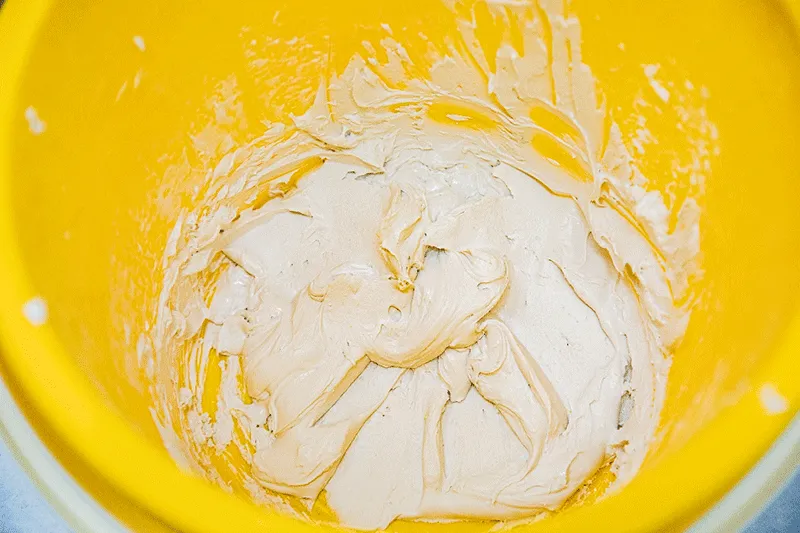
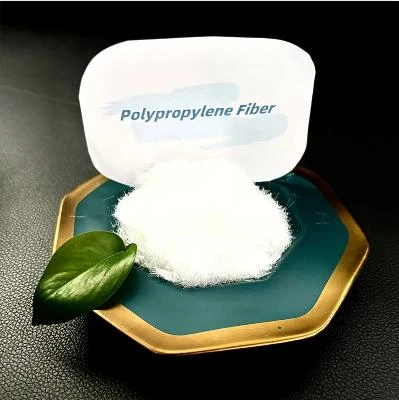
Concrete polypropylene fibers have revolutionized the construction landscape, offering an innovative solution to the age-old challenges in building materials. These synthetic fibers bring a myriad of benefits that enhance the structural integrity and durability of concrete infrastructures, and their real-world applications are proving them to be indispensable. In practice, builders and engineers alike have recognized the transformative impact of incorporating polypropylene fibers into concrete mixtures. Through firsthand experience, seasoned professionals have observed that these fibers significantly reduce cracking tendencies. Post-construction, this feature translates to lowered maintenance costs and extended longevity of concrete structures, creating a cost-effective solution in both short-term and long-term scopes. From the standpoint of expertise, it’s crucial to delve into the composition and benefits that make concrete polypropylene fibers stand out. Originating from thermoplastic polymers, these fibers offer high resistance to various physical and chemical impacts. The expert consensus highlights the fibers’ strength in enhancing resistance to freeze-thaw cycles, a common concern in regions with fluctuating climates. By reinforcing the concrete matrix, polypropylene fibers decrease permeability and offer enhanced protection against water infiltration, thus maintaining the structural integrity over time. In laboratory environments, precise tests have consistently demonstrated the advantages of these fibers. Researchers specializing in materials science have empirically validated that polypropylene fibers improve impact resistance and mitigate splitting, especially in high-traffic areas like pavements and industrial floors. These findings are corroborated by data showing reduced occurrences of micro-cracking during the curing process, setting a new benchmark in concrete durability. Authoritative bodies in the construction industry have recognized the benefits of using polypropylene fibers, therefore endorsing their use through updated building codes and standards. Organizations such as the American Concrete Institute (ACI) and the British Standards Institution (BSI) have integrated guidelines that recommend the use of synthetic fibers for concrete reinforcement. This endorsement not only reflects the growing trust in these materials but also guides best practices in application techniques. concrete polypropylene fibers Credibility in using concrete polypropylene fibers is further established through numerous successful projects globally. An exemplar is the construction of high-rise buildings in seismic zones, where the fiber-reinforced concrete has provided enhanced structural stability. Engineers involved in these projects report that the fibers allow for more flexible and adaptive designs, accommodating various architectural specifications without compromising safety or quality. Bringing a practical perspective, contractors with extensive field experience often highlight the ease of using polypropylene fibers during concrete mixing and pouring. Unlike traditional reinforcement methods, these fibers distribute uniformly throughout the mix, ensuring comprehensive protection and reinforcement. This uniformity contributes to a smoother preparation process and ultimately, superior finish quality in architectural applications. Trust in polypropylene fibers is also underscored by their environmental benefits . As sustainable building practices gain traction, these fibers contribute to eco-friendly construction goals by potentially reducing the need for other less sustainable reinforcement materials. Their production and integration result in a smaller carbon footprint, making them a fitting choice for projects aiming for green certifications and reduced environmental impact. In conclusion, the integration of concrete polypropylene fibers marks a significant advancement in modern construction practices, addressing long-standing challenges with innovative solutions. Professionals armed with both empirical evidence and field data assert that these fibers deliver unparalleled benefits in terms of durability, cost-efficiency, and environmental impact. As industry standards continue to evolve, the reliance on, and trust in, polypropylene fibers is poised to grow, positioning them as a key component in the future of sustainable and resilient construction.
advantages
-

200000 Viscosities
Excellent product
We can produce pure products up to 200,000 viscosities
-

40000 tons
High yield
We don’t stop production all year round, and the annual output can reach 40,000 tons
-

24 hours
Quality service
We provide 24-hours online reception service, welcome to consult at any time
———— Inquiry Form
Schedule A services

-
 pp_fiber_manufacturers
Oct . 25, 2025
Navigating the ever-evolving landscape of recycled rubber powder pricing demands a nuanced understan -
 long_glass_fiber_reinforced_polypropylene
Oct . 25, 2025
Hydroxypropyl methylcellulose (HPMC) is increasingly being recognized for its diverse applications i -
 hpmc_gum
Oct . 25, 2025
High Performance Computing (HPC) and Hydroxypropyl Methylcellulose (HPMC) might seem like disparate


